IBR and Corrugated Roof Leaks: Where They Often Start
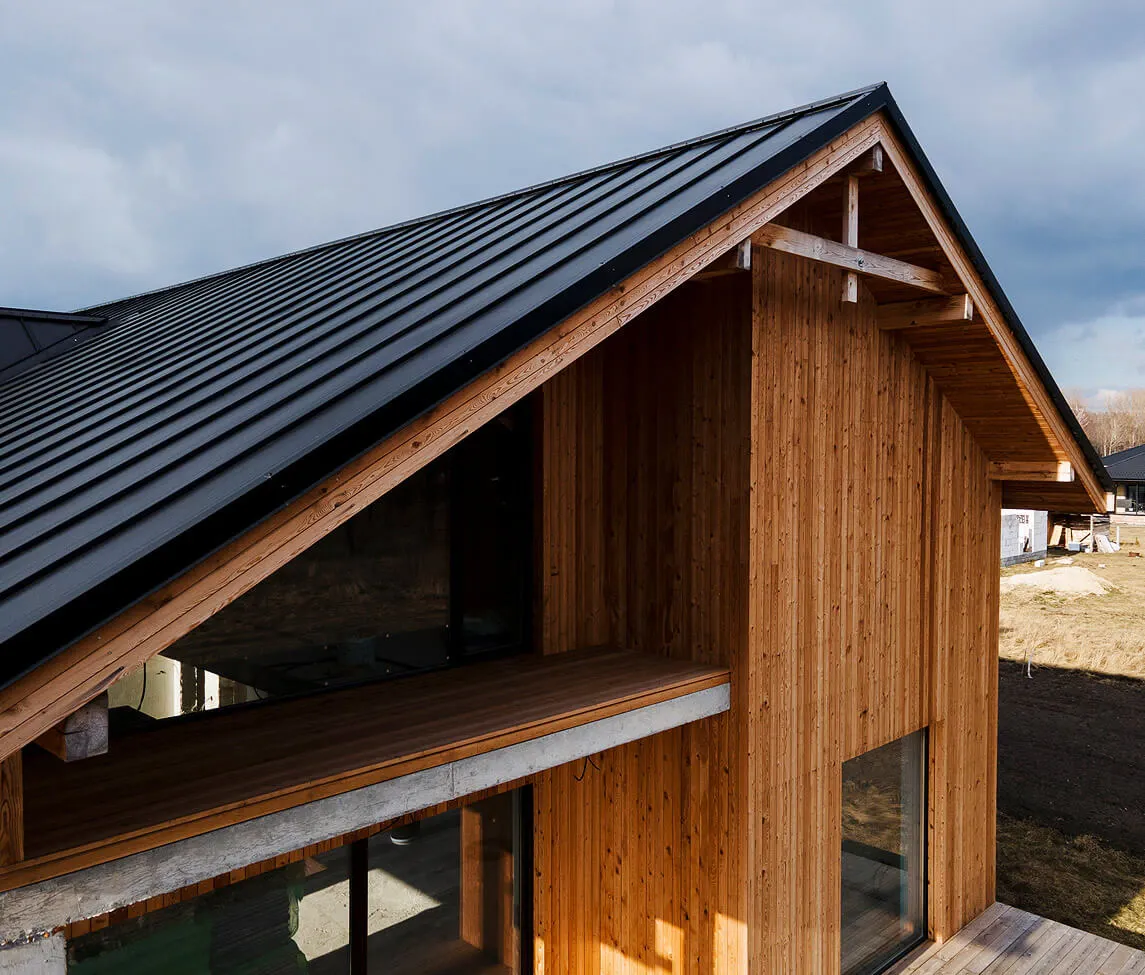
Is water getting in under the metal roof of your home, shed, warehouse or factory? IBR sheets have a square, ribbed shape. Corrugated sheets have a rounded wave.
Both are designed to shed water. When they leak, the cause is often at a hole, a join or a damaged spot.
Fixings
Screws, nails or other fasteners hold the sheets in place, and each one can pass through the roof. Their washers help keep water out.
Heat makes metal expand, and it shrinks again as it cools. Over time, this movement and the weather can loosen fixings or wear out washers. A fixing that was put in at an angle or in the wrong place can also let water in.
Overlaps
Roof sheets overlap one another. Water can get through if sheets have lifted, shifted or been laid with too little overlap. A gentle roof slope can add to the risk, because water drains more slowly. Wind can also drive rain into gaps.
Flashing and openings
Flashing covers the places where the sheets meet walls, ridges, chimneys and other parts of the building. If it is loose, bent, cracked or badly sealed, water can slip in behind it.
Pipes, vents, aerial mounts, solar panel fixings and skylights are also places to watch. Each opening or fixing needs to be sealed properly.
Rust
Metal roofing usually has a protective coating. Where that coating wears away or gets scratched, rust can start. Wet leaves, standing water and loose metal offcuts left on a roof can make matters worse.
Light surface rust and a sheet that has rusted through are very different problems. A coating may help in some cases, but badly damaged metal may need to be repaired or replaced first. Someone has to inspect it up close to know which applies.
Drips that are not roof leaks
Water under a metal roof does not always mean rain is getting in. Warm, moist air can form droplets on the cold underside of the sheets. This is called condensation.
If you notice drips on cool mornings when it has not rained, condensation is one possible cause. Ventilation or insulation may play a part. A new roof coating on its own may not solve it.
What you can check safely
Do not climb onto a metal roof. Sheets can be slippery or hot, and rusted areas and skylight panels may not hold a person's weight.
Instead, you can:
- Look from the ground for rust marks, lifted edges or loose flashing
- Use zoom on your phone camera to take photos from a safe spot
- Look at ceilings, walls and floors below for stains and drips
- In a warehouse or workshop with no ceiling, look up from the floor for drips or daylight where it should not be
- Write down where drips appear and whether it was raining
Stay well clear of overhead power lines, and if water is near electrical equipment, keep away and call an electrician. Keep stock and machinery away from drips where you can do so safely.
Be careful with quick patches
A bead of general-purpose sealant may not stick well to dirty or rusty metal. It may also crack as the roof moves. Patching in the wrong way can trap water or block a path that was meant to drain. It is better to find the cause first and use products suited to the surface.
When to call someone
Ask for an inspection if you see rust that is spreading, loose sheets or flashing, daylight through the roof or leaks that return. For factories and warehouses, include roof leaks in your maintenance records, so that repeat spots are easy to see.
At Traseal, our IBR and corrugated roof service uses a durable waterproof coating designed to seal weak points and help protect against corrosion and water damage, and its suitability depends on the condition of your roof. We start with a site visit, where we inspect your property, assess the damage and recommend the best waterproofing or repair solution.
Is your metal roof letting water in? Get Free Inspection
More from the blog
 Roof Waterproofing
Tile Roof Leaks: The Problem May Be Under the Tiles
A tile roof is more than the tiles you can see. Find out how water gets through, which signs to watch for and why a roof can leak when it looks fine.
 Roof Waterproofing
Why Flat Roofs Leak, and Why Drainage Matters
Water that sits on a flat roof has more chance to find a weak spot. Learn what causes flat roof leaks and what to watch for without going up there.
 Balconies and Showers
Balcony and Shower Leaks: Why Tiles Alone Are Not Enough
Neat tiles can hide a leak. See why the layers under a balcony or shower matter, which warning signs to look for and when to ask for help.
Comments