
Tile Roof Leaks: The Problem May Be Under the Tiles

You look up at your roof and the tiles seem to be in place. Yet there is a new stain on the ceiling. How can that happen?
A tile roof works as a system. The tiles, the layer below them, the joins and the edges all help to keep water out.
What the tiles do
Tiles overlap so that rain runs down the slope and off the roof. They take the sun and most of the weather.
But rain driven by wind can sometimes get between tiles, especially where a roof has a gentle slope or tiles do not sit properly.
What the underlay does
Many tile roofs have a sheet beneath the tiles, called the underlay or underlayment. It can act as a second line of defence against water that gets past them. Not every roof has one, especially some older roofs.
The underlay can be torn during work on the roof. It can also become brittle or damaged with age. You usually cannot see it from outside, so a roof can look sound while there is a problem underneath.
Common places where water gets in
Cracked, slipped or missing tiles. Storms, falling branches, hail and people walking on the roof can all cause damage.
Valleys. A valley is the channel where two roof slopes meet. It carries a lot of water. Leaves and dirt can block it and push water sideways under the tiles.
Ridges and hips. These are the joins along the top and raised corners of a roof. Cracked or loose material here can leave openings.
Flashing. This covers joins around walls and chimneys. If it lifts, cracks or pulls away, water can get behind it.
Openings. Pipes, vents, solar panel fixings and skylights all interrupt the tiled surface, so the sealing around them matters.
Signs to watch for
- Stains or damp patches on upstairs or top-floor ceilings
- Peeling paint where walls meet the ceiling
- A musty smell that gets stronger after rain
- Pieces of tile or roof mortar on the ground
- Tiles that look out of line when seen from the street
- Plants or piles of leaves in a valley or gutter
A leak may only show during long or wind-driven rain. Note the weather each time you see it, as this can help the person who inspects the roof.
What you can safely do
Please stay off the roof. Tiles can break underfoot and be very slippery. Walking on them can also cause new damage and new leaks.
Check from the garden, driveway or pavement, using zoom on your phone camera if you have one. After a storm, wait until it is safe, then look for broken pieces on the ground. Watch for traffic and stay clear of fallen power lines.
Indoors, if there is no wet electrical fitting or sagging ceiling nearby, move belongings out of the way, put a container under drips and photograph any stains. If water is near light fittings or other electrical points, keep away and call an electrician. If a ceiling sags, keep people out from under it.
Why replacing one tile may not end it
A broken tile may be the whole problem. It may also be only the part you can see. Water can run along the underlay or roof timbers before it reaches the ceiling, so the stain may be some distance from the entry point.
Sealant spread over tiles can also get in the way of water that should drain freely. Find the cause before choosing the repair.
When to call someone
Call for an inspection if you see damaged or moved tiles, loose flashing or a leak that keeps coming back. Property managers should also ask for one when several units under the same roof report damp. After other trades have worked on the roof, check the ceilings below during the next rain.
At Traseal, our tile roof service includes sealing the underlayment and applying a protective membrane to help guard against moisture, depending on how your roof is built and its condition. We start with a site visit, where we inspect your property, assess the damage and recommend the best waterproofing or repair solution.
Found a stain under your tile roof? Get Free Inspection
More from the blog
 Roof Waterproofing
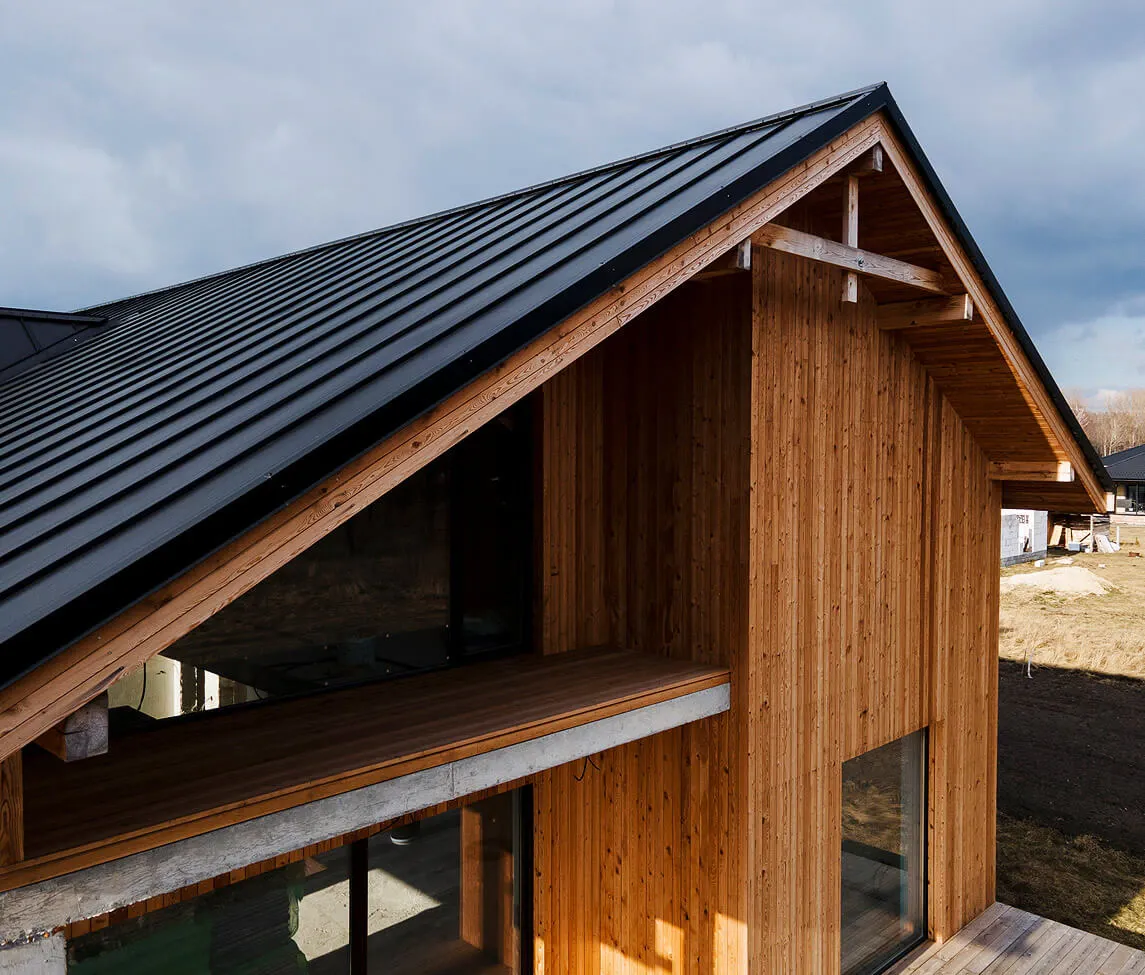
IBR and Corrugated Roof Leaks: Where They Often Start
Leaks on metal roofs can often start at fixings, overlaps, flashing or rust. Here is what causes them and what you can check without climbing up.
 Roof Waterproofing
Why Flat Roofs Leak, and Why Drainage Matters
Water that sits on a flat roof has more chance to find a weak spot. Learn what causes flat roof leaks and what to watch for without going up there.
 Balconies and Showers
Balcony and Shower Leaks: Why Tiles Alone Are Not Enough
Neat tiles can hide a leak. See why the layers under a balcony or shower matter, which warning signs to look for and when to ask for help.
Comments